
Fighting for a More Affordable Ontario
Everywhere I go in Nepean, whether I’m knocking on doors, attending community events, or working shifts as a registered nurse, I hear the same message: life has become harder to afford. Families are paying more for groceries, rent, and everyday essentials, while waiting longer to access the healthcare services they rely on. For too many Ontarians, wages have failed to keep pace with the rising cost of living, forcing difficult decisions about which necessities they can afford each month. No family should have to choose between keeping a roof over their head, putting food on the table, or accessing timely healthcare. After eight years of the Ford government, these challenges have become increasingly common. Ontarians deserve a government that tackles the structural causes of rising costs and strengthens public services families depend on.
The squeeze Ontario families are feeling
Food
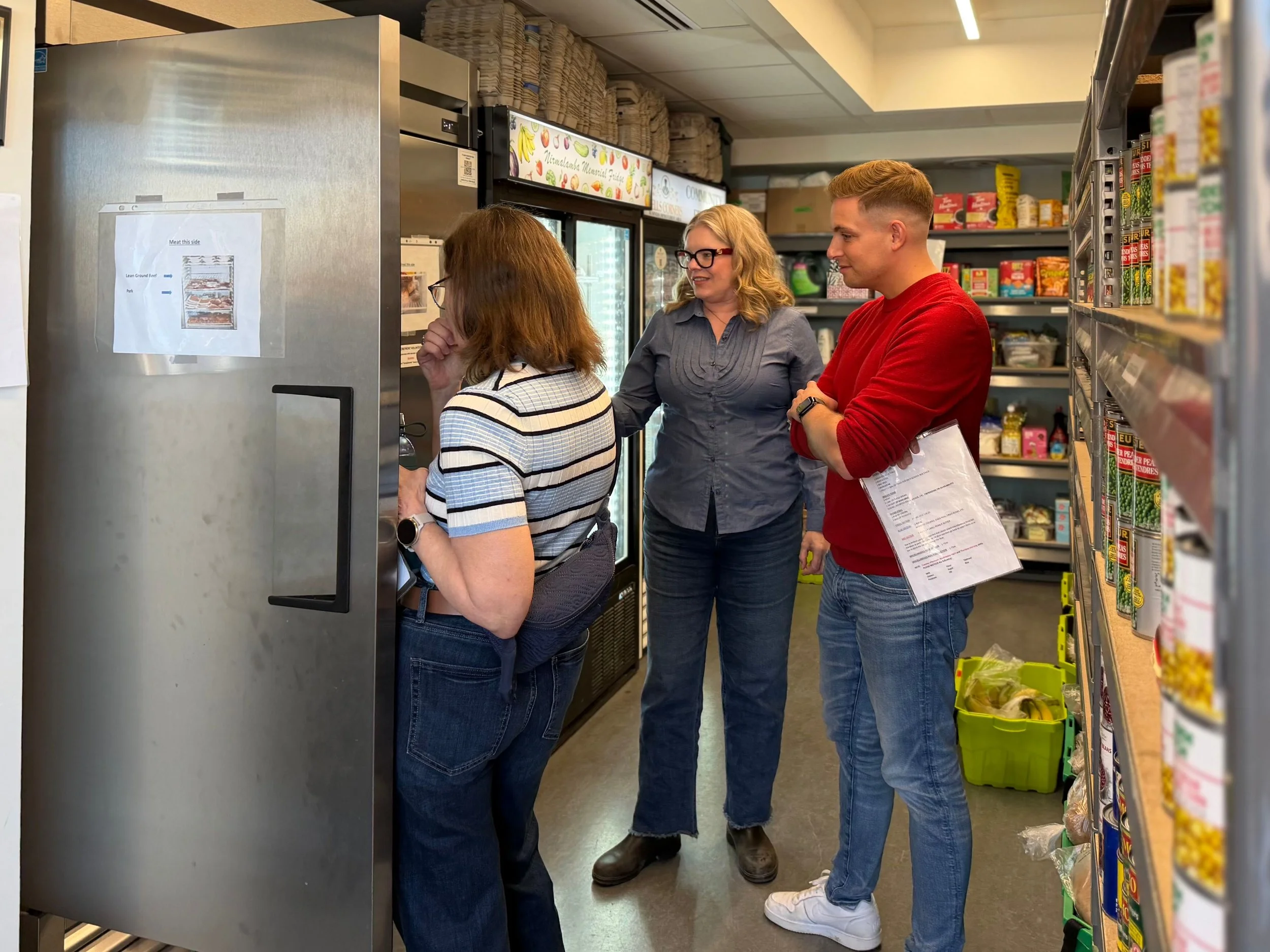
In 2018-19, about 502,000 Ontarians turned to a food bank, accounting for nearly 2.9 million visits. By 2019–20 that had risen to 537, 575 Ontarians and 3.2 million visits. In 2024-25, more than one million Ontarians relied on a food bank, generating 8.7 million visits. Compared to 2018-19, the number of people using food banks has nearly doubled, while annual visits are up roughly 172%. It's no longer just the unemployed: food bank visitors whose main income is a job have risen 91% since before the pandemic. A paycheque alone no longer guarantees a family can put food on the table.
In Ottawa, this trend is mirrored exactly: local food programs saw 588,866 visits last year, a number that has doubled since the pandemic according to CTV News Ottawa. (Sources: "Cost of Living Advoacy.docx"; Ottawa Food Bank reports 588K visits last year - CTV News)
Locally, the demographic shift is also severe, with the 2025 Ottawa Hunger Report noting that the number of seniors accessing Ottawa food programs has increased by 90% since 2019. (Sources: "Cost of Living Advoacy.docx"; 2025 Ottawa Hunger Report)
Housing
In 2021-22, roughly 1.7 million Ontario households were renters, 31.6% of all households. Between 2011 and 2021, Ontario's home-ownership rate fell from 71.4% to 68.4%, the fourth-largest drop of any province. The Ford government pledged 1.5 million new homes by 2031, about 150,000 a year. Instead, housing starts have fallen every year since 2022, down to roughly 65,000 in 2025, less than half the pace required. Through failed promises and ineffective policies, the Ford government has worked to prevent Ontarians from keeping their dream of homeownership alive by failing to build enough housing to meet the ever-growing demand.
According to the 2025 Rental Market Report by CMHC, the average rent for a 2-bedroom apartment in Ottawa rose to $2,155 in 2025, up from $2,118 the previous year and $1,829 in 2022. (Sources: "Housing Advocacy.docx"; 2025 Rental Market Report - CMHC)
Meanwhile, Ottawa's rental market is experiencing a paradox where newly constructed, higher-end units built since 2015 face a 6.7% vacancy rate, while affordable low-rent units have vacancy rates below 1%, as reported in a local real estate Vacancy Rates Surge Analysis. (Source: Why Ottawa's New Rental Units Are Sitting Empty: Vacancy Rates Surge to 6.7% in 2025)
Healthcare
A weakened public healthcare system costs families with longer wait times and more out-of-pocket care costs. Between 2014 and 2023, per-capita private health spending in Ontario rose 38%, outpacing public spending. The Financial Accountability Office estimates Ontario faces a $6.4 billion funding gap by 2026-27 just to maintain existing public hospital services. Short-staffed hospitals have continually relied on private staffing agencies, spending more than $9 billion over the past decade; between 2013-14 and 2022-23, agency spending jumped 98% while spending on permanent hospital staff rose just 6%. Despite universal healthcare being a social safety net that all Ontarians rely on, the Ford Government have effectively stripped it away and transitioned our healthcare system to be more responsive to high-income earners.
Where Tyler Stands
Put money back in families' pockets
Ontario’s affordability crisis has reached a point where too many working families are doing everything right and still struggling to put food on the table. No one who works hard should have to rely on a food bank simply because the cost of groceries continues to outpace their paycheque. Emergency foods programs were never intended to become a permanent part of Ontario’s social safety net, yet for far too many families, they have become exactly that.
That is why I support introducing a dedicated Groceries Credit through the existing Ontario Trillium Benefit. Rather than creating another government program, eligible households would automatically receive predictable monthly support through a system that already exists. The credit would be tested against Ontarians’ income, so assistance reaches families facing the greatest financial pressure and adjusted to food-price inflation, so support keeps pace as grocery prices continue to rise. Providing families with consistent grocery support does more than help pay for food, it helps prevent financial hardship before it becomes a crisis. By restoring purchasing power and making it easier to afford necessities, fewer Ontarians will be forced to rely on food banks, allowing emergency food programs to focus their resources on those facing severe hardship.
Affordability also means ensuring families pay a fair price at the checkout. That is why I supported MPP John Fraser’s Fair Grocery Prices Act, which would have prohibited personalized algorithmic pricing practices that allow retailers to charge different prices based on a consumer’s personal data or shopping habits. Ontarians deserve transparent pricing.
Protect renters and build homes families can afford
Housing is no longer about achieving homeownership; it is about whether families can afford to remain in the communities they already call home. As homeownership moves further out of reach, more Ontarians are remaining in the rental market for longer, where rising rents and housing insecurity have become an everyday reality. I believe the provincial government has a responsibility to protect renters today while building the homes Ontario will need tomorrow. This is why I support MPP Andrea Hazell’s Relief for Renters Act, which would establish a province-wide rent freeze for one year and temporarily prohibit no-fault evictions.
Rebuild the public system, not the private one
Every Ontarian deserves timely access to high-quality healthcare, regardless of where they live or how much money they earn. Yet today, too many patients are waiting in overcrowded emergency departments, receiving care in hallways or waiting months for procedures because the public healthcare system does not have the workforce capacity to meet demand. Expanding privately delivered healthcare may improve access to some procedures, but it does not solve the underlying structural problems. Ontario cannot fix hallway healthcare without first addressing the shortages of nurses and physicians.
As a registered nurse and the Ontario Liberal critic for Long-Term Care, I have seen these pressures firsthand. I understand that strengthening healthcare begins by supporting the professionals delivering it every day. That means providing hospitals with stable and predictable funding, investing in modern healthcare infrastructure, and implementing a comprehensive workforce strategy that recruits, retains, and supports nurses, physicians, and frontline staff. Ontarians should never feel that the only way to receive timely care is to look outside the public system. I believe the solution is not to ask patients to rely more heavily on privately delivered alternatives; rather, it is to rebuild the capacity of Ontario's publicly funded healthcare system. Healthcare should always be delivered based on medical need, not financial circumstances.